Exploring At Home Health Solutions
Introduction to At Home Health Solutions
At home health solutions are revolutionizing the way individuals receive medical care, emphasizing the comfort of being treated in familiar surroundings. The advent of various home-based services—from basic assistance to advanced medical care—allows many to maintain independence and improve their quality of life. These services cater to a wide range of needs, ensuring that patients with chronic illnesses, recovery needs, or disabilities receive the necessary support. As demand for in-home care rises, families and patients are increasingly aware of the convenience and personalized approach it offers. Technological advances further bolster home health services, providing remote monitoring and telehealth capabilities. In this comprehensive exploration, we delve into the multifaceted world of at home health solutions.
Advertisement



Understanding Home Health Care Services
At home health services encompass various types of care that provide medical support outside of traditional hospital or clinical settings. These services range from skilled nursing care, physical therapy, occupational therapy, and even speech therapy, delivered directly at home. Skilled professionals provide these services, tailoring each care plan to the individual's unique medical and personal needs. Patients recovering from surgery or managing chronic conditions often benefit from routine in-home visits that prevent unnecessary hospitalization. By facilitating healthcare in an environment where patients are most comfortable, home health services foster a sense of security and emotional well-being. As such, they serve as vital alternatives to institutional care settings.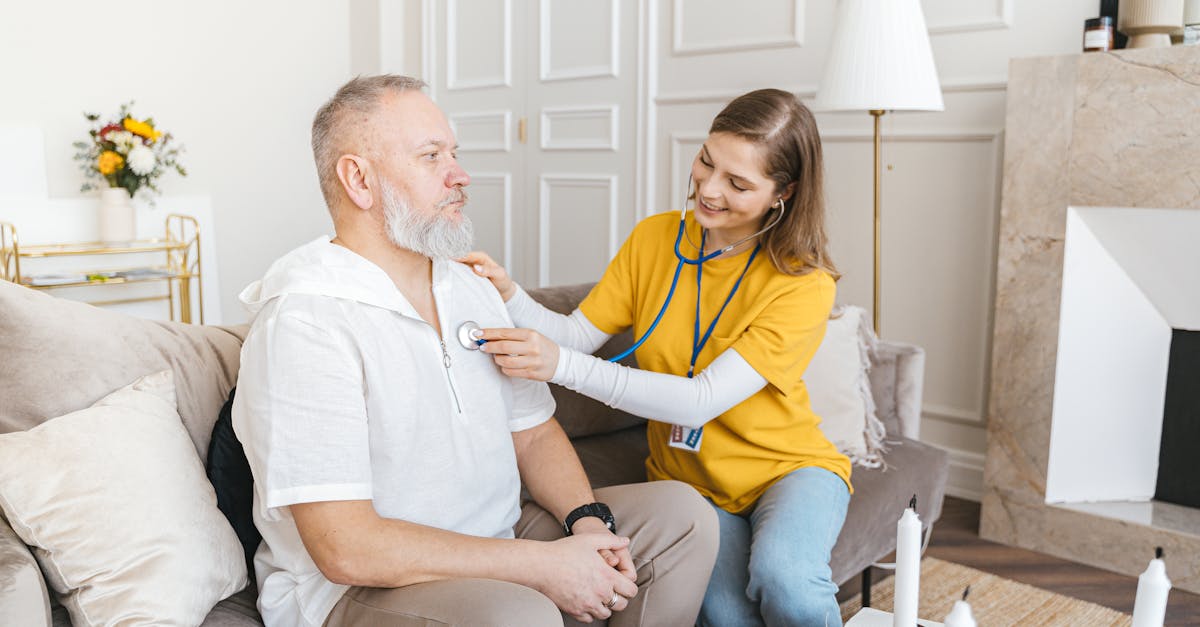
Advertisement
The Role of Personal Care and Assistance
In addition to medical services, at home health solutions extend to personal care assistance, aiding individuals with activities of daily living (ADLs). Personal care may include help with bathing, dressing, meal preparation, and other routine activities that individuals may find challenging due to age or physical condition. Trained caregivers focus on enabling independence while ensuring safety and comfort in an individual's private environment. Such services also provide respite for family members or primary caregivers, empowering them to manage their work and personal responsibilities. This balance improves the overall quality of life for both the patient and their family, contributing to a supportive and stress-free household.
Advertisement
Adoption of Advanced Technologies
Technological advancements are integral to the evolution of home health care, offering unprecedented benefits and efficiencies. Telehealth initiatives, such as virtual consultations and remote check-ups, bridge the gap between patients and healthcare providers. Wearable devices monitor vital signs and alert healthcare teams to any deviations, ensuring timely interventions. Smart home technologies—like sensor-equipped environments—monitor patient activity, providing real-time feedback that enhances safety for those at risk of falls or other health events. The incorporation of technology into home health solutions not only streamlines care delivery but also encourages patient engagement and self-management of health conditions.
Advertisement
Tailoring Care for Chronic Conditions
Chronic conditions like diabetes, heart failure, and arthritis require consistent management, often making home health care a viable solution. By developing individualized care plans, healthcare professionals help patients adhere to their treatment regimens, manage medications, and monitor symptoms closely. This proactive approach reduces the risk of complications, hospital readmissions, and overall healthcare costs. Chronic care management at home often involves collaboration with family members, educating them on recognizing warning signs and adjusting care plans as needed. This integrated route emphasizes patient-centered care, focusing on achieving better health outcomes and enhancing life quality.
Advertisement
Senior Care and Aging in Place
As the population ages, more seniors express a desire to "age in place"—remaining in their own homes rather than being moved to assisted living facilities. At home health solutions play a critical role in supporting this preference, offering services tailored to seniors’ specific needs. Aging-related challenges, including mobility limitations and cognitive decline, are effectively managed through routine assistance and specialized therapies. Customized home modifications, like installing grab bars and ramps, ensure the home environment remains safe and accessible. By embracing senior-focused home health care, the elderly retain their independence and enjoy a higher sense of dignity and normalcy.
Advertisement
Addressing Palliative and Hospice Care Needs
Palliative and hospice care services extend the scope of home health solutions to patients with serious, life-limiting illnesses. This care prioritizes comfort, pain management, and emotional support, helping patients live fully and comfortably in their final stages. Home-based palliative and hospice care allows families to be actively involved in their loved one's care, ensuring that their values, wishes, and emotional needs are respected. Providing this care at home can also relieve some of the emotional burdens by creating a familiar and comforting environment. Thus, home health solutions offer a compassionate path for terminally ill patients and their families.
Advertisement
Navigating Financial Considerations
Considering the cost of care is crucial when opting for at home health solutions. Various factors influence the cost, including the type and frequency of services required, as well as geographical location. In many cases, insurance plans, including Medicaid and Medicare, may cover a portion of in-home care expenses, particularly if deemed medically necessary. Therefore, it is essential for families to research and understand available insurance benefits, eligibility criteria, and out-of-pocket costs. Many home health agencies offer financial assistance or sliding scale fees to support families in managing expenses, making quality care more accessible to all.
Advertisement
Ethical Considerations and Quality of Care
Ensuring ethical standards and high-quality care are maintained in home health services is paramount. Licensed providers must adhere to strict regulations and conduct background checks to protect patient safety. Ongoing quality monitoring, including client feedback and performance evaluations, helps maintain service standards. Ethical issues, like patient consent, privacy, and autonomy, remain core concerns in the home care setting. By emphasizing transparency, respect, and adherence to professional ethics, providers build trust, ensuring that patient dignity and preferences are prioritized. Continuous education and training of caregivers further improve service quality.
Advertisement
Conclusion and Looking Ahead
At home health solutions represent a transformative and enduring shift in the delivery of healthcare, balancing quality medical care with personalization and comfort. Advantages such as reduced hospital stays, improved patient satisfaction, and facilitated family involvement make these options increasingly appealing. Continued innovation and advances in technology will likely expand the reach and capabilities of in-home services, providing tailored solutions for diverse patient needs. As the foundation for future healthcare, at home health care's evolution will focus on maintaining high standards, ethical considerations, and a commitment to personalized and compassionate care. Ultimately, investing in such solutions underscores society's dedication to enhancing the health, safety, and well-being of its most vulnerable members.
Advertisement