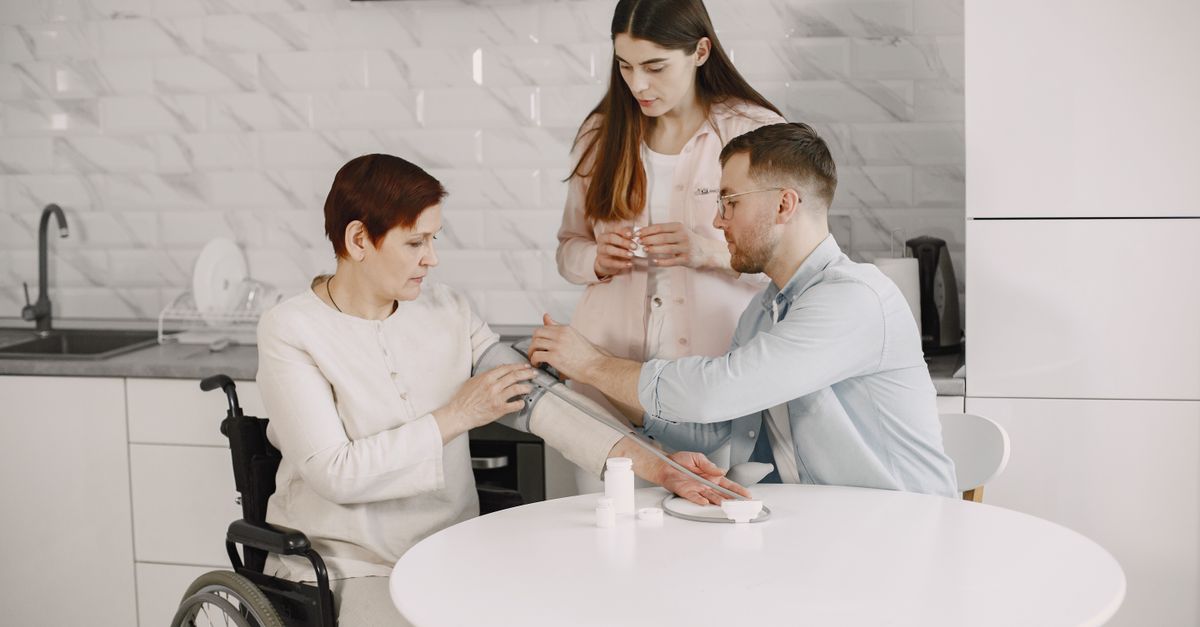
Trailblazing Home Health Insights 2026
Introduction: The Future of Home Health
The world of home health care is on the brink of a revolution, driven by groundbreaking advancements and innovative solutions. With the growing demand for personalized and efficient health services, the landscape is rapidly evolving. By 2026, a variety of trends and technologies promise to redefine how we approach home-based care. Whether it's the use of smart technologies or the integration of AI, the advancements are set to enhance patient care drastically. Additionally, home health insights will pivot to more patient-centered models, offering not only proximity to caregivers but also empowering individuals in managing their health. This article dives into the expected trailblazing trends shaping the future of home healthcare.
Advertisement
Technological Advancements: Home Health Smart Technologies
One of the most significant transformations in home health care is the integration of smart technology. Devices such as wearables and smart home systems are increasingly being used to monitor health metrics, ensuring that patients receive timely interventions.
By 2026, it is anticipated that these technologies will evolve to become more proactive, providing predictive analytics to prevent health issues before they escalate. Smart homes will seamlessly integrate health monitoring, allowing caregivers to access real-time data remotely.
The convergence of IoT with health care applications promotes a seamless flow of information between patient, device, and health provider. This not only enhances patient safety but also ensures that healthcare is more responsive and personalized.
Advertisement
Artificial Intelligence: Revolutionizing Diagnostics and Treatment
Artificial intelligence (AI) is paving the way for a new era in home health care. By examining vast amounts of data, AI is set to transform diagnostics, enabling more accurate and timely treatments. From imaging analysis to predictive modeling, AI tools are being developed to assist physicians in decision-making processes. In 2026, these advancements could also empower patients by providing them tailored health advice and reminders directly through their home devices. AI, paired with machine learning, will facilitate the development of personalized care plans, ensuring treatment protocols are continuously optimized. Further integration of AI in telehealth platforms will extend its benefits to those who prefer or require remote care, making health services accessible to a larger portion of the population.
Advertisement
Remote Patient Monitoring: Continuous Health Tracking
The adoption of remote patient monitoring (RPM) has been one of the key shifts in home health care. By 2026, we expect RPM systems to become more sophisticated, integrating seamlessly with everyday devices such as smartphones and smartwatches. These systems will leverage advanced sensors capable of tracking a wide range of health metrics including heart rate, glucose levels, and physical activity. Caregivers can access this data in real-time, providing timely interventions and minimizing emergency visits. Moreover, RPM reduces the burden on traditional healthcare facilities by enabling more effective management of chronic conditions at home. This not only improves the quality of care but also empowers patients to take an active role in managing their health.
Advertisement
Telehealth: An Expanding Horizon
Telehealth has emerged as a cornerstone of the home-based care model, facilitating consultations and treatments without leaving the home. Its role has expanded significantly, offering services such as virtual consultations, therapy sessions, and even remote monitoring of vital signs. By 2026, we anticipate further integration with AI and smart technologies, enhancing its effectiveness and reach. Telehealth will also evolve to include more specialized services, such as mental health support, remote rehabilitation, and chronic condition management. As internet and technological infrastructure improve, telehealth will advance towards providing universally accessible and high-quality care, overcoming existing geographical barriers and enhancing healthcare equity.
Advertisement
Personalization and Empowerment: Patient-Centric Care Models
In health care, the focus is gradually shifting from provider-dominated to patient-driven care. By 2026, patient empowerment through personalized care models will be a significant trend. Health insights obtained from smart devices and AI will play a pivotal role in crafting individualized treatment plans, informed by personal preferences and social determinants of health. Patient education tools will ensure individuals understand their treatment plans, medications, and health metrics fully. Such empowerment fosters adherence to prescribed regimens and encourages a proactive approach to health maintenance. Moreover, these patient-centric models will facilitate collaborative healthcare, involving patient-family interactions and support, evolving health care into a comprehensive and inclusive service.
Advertisement
Data Security: Ensuring Privacy and Compliance
With the increase in digital health data, ensuring privacy and security has become paramount. As health care becomes more digitized, the risks associated with data breaches and unauthorized access grow. By 2026, policies and technological solutions will have evolved to address these concerns robustly. Encryption technologies and decentralized data storage solutions are expected to become standard in home health care systems. These will protect sensitive information while ensuring compliance with global health data regulations, such as HIPAA. Furthermore, patient awareness and education regarding data privacy will be crucial in maintaining trust in digital health solutions.
Advertisement
Collaboration: Bridging Gaps in Care
Bridging the gap between different facets of health care is essential for seamless service delivery. By 2026, collaborative models involving nurses, doctors, specialists, and community services are expected to become the norm. These collaborations facilitate holistic care, reducing fragmentation and ensuring that all aspects of a patient's health are addressed. Multi-disciplinary teams will work together, utilizing integrated health platforms to share patient data and insights. Enhancements in communication technologies also mean instantaneous sharing of results and analyses, enabling swift responses and more coordinated care. This collaboration is not only expected to enhance outcomes but also improve patient satisfaction by offering them cohesive and comprehensive health management.
Advertisement
Innovation and Sustainability: A Future Vision
Innovation remains at the heart of trailblazing advancements in home health care. By 2026, a focus on sustainable technologies is anticipated, reducing environmental impacts without sacrificing quality. Eco-friendly options for home devices, recyclable materials, and energy-efficient health solutions will become increasingly prevalent. Moreover, continual innovation in health care delivery methods, such as virtual reality for rehabilitation or robotic aids for mobility, will extend the scope of at-home care services. Encouraged by a more sustainable approach, healthcare providers can deliver impactful services today while preserving resources for future generations. This commitment to sustainability aligns well with global health goals, emphasizing an enduring contribution to society.
Advertisement
Conclusion: A New Era in Home Health Care
The year 2026 will mark a transformative period in home health, characterized by cutting-edge technology and patient-focused models. The integration of smart devices, artificial intelligence, and telehealth is set to create a more accessible, personalized, and efficient health care experience. With continuous monitoring and data security becoming the norm, patients will receive robust, secure care catered to their individual needs. Sustainability will shape the innovations in health care delivery, ensuring quality care now and into the future. Overall, trailblazing home health insights will not only revolutionize how care is provided but also empower individuals to become active protagonists in their health journeys.
Advertisement