Simple, Evidence-Led Habits for Better Home Health
Start With Practical, Sustainable Habits
Staying healthier at home does not require expensive gadgets, heroic willpower, or a kitchen full of mysterious powders. Practical habits—sleeping consistently, eating varied foods, moving regularly, managing stress, and noticing changes early—can support everyday wellbeing. The trick is separating useful guidance from confident internet folklore and choosing small steps that fit real life.
Advertisement
Use Evidence as Your Filter
Evidence Based At Home Health Tips begin with a simple question: what reliable information supports this habit? Look for guidance from public health agencies, universities, hospitals, and qualified professionals rather than anonymous posts promising instant transformation. Strong evidence usually favors ordinary behaviors repeated over time, not dramatic cleanses, miracle supplements, or routines that require waking before the sun has even considered its responsibilities. When sources disagree, check whether they are discussing different goals, populations, or levels of risk. A sensible approach also recognizes uncertainty. Good information rarely promises perfection; it explains likely benefits, limitations, and situations in which professional help may be appropriate.
Advertisement
Build a Sleep Routine That Survives Real Life
Evidence Based At Home Health Tips should always include sleep because rest affects concentration, mood, appetite, and physical recovery. Aim for a consistent schedule that gives you enough time in bed, and keep your wake-up time reasonably stable even after a late night. A darker, cooler, quieter bedroom can help, as can reducing bright screens and stimulating work shortly before bed. Caffeine may remain active for hours, so afternoon coffee deserves more suspicion than its cheerful personality suggests. If sleep problems persist, become severe, or interfere with daily functioning, discuss them with a qualified healthcare professional rather than relying on internet sleep hacks.
Advertisement
Make Food Choices Easier, Not Perfect
Evidence Based At Home Health Tips work best when meals are built around patterns instead of forbidden-food lists. Include a variety of vegetables and fruit, beans or other protein sources, whole grains, and suitable fats. Drinking water regularly can support hydration, while limiting excess alcohol, highly sugary drinks, and heavily processed snacks may improve overall balance. Planning two or three dependable meals reduces the chance that hunger will turn a packet of biscuits into a full dinner committee. Portion needs differ, and cultural foods can fit into a nutritious pattern. The goal is consistency, variety, and enjoyment—not treating every meal like a moral examination.
Advertisement
Move More Throughout the Day
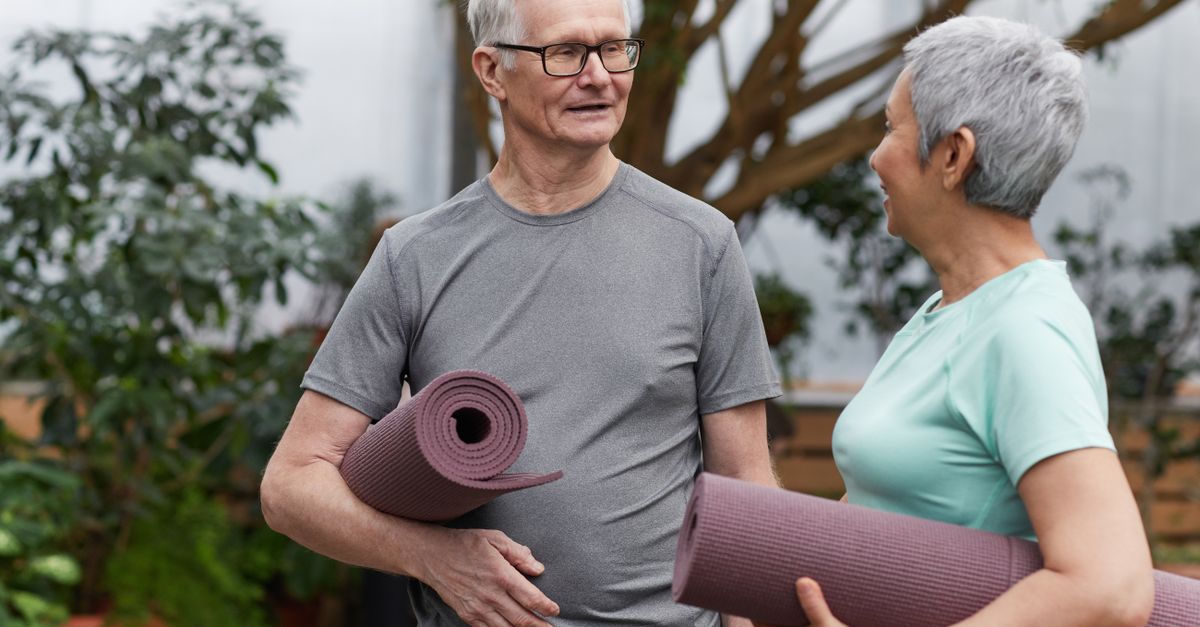
Evidence Based At Home Health Tips do not require a costly home gym. Walking, dancing, gardening, climbing stairs, stretching, and body-weight exercises can all add useful movement. Break up long periods of sitting by standing or moving for a few minutes, and increase activity gradually so enthusiasm does not outrun conditioning. A balanced routine may include aerobic activity, muscle-strengthening work, and mobility exercises, adjusted for age, experience, and personal circumstances. Choose activities you can repeat, because the most impressive workout is less useful than the modest one you actually do. Stop if you feel unwell, and seek professional guidance when pain, dizziness, or unusual symptoms occur.
Advertisement
Support Mental Wellbeing at Home
Evidence Based At Home Health Tips should treat mental wellbeing as part of health rather than an optional decorative ribbon. Regular daylight, movement, social contact, hobbies, and predictable routines can help create emotional stability. Short breathing exercises, journaling, prayer, meditation, or quiet time may also reduce daily tension for some people. None of these practices has to become a personality or a color-coded lifestyle system. Notice patterns in mood, motivation, sleep, and stress, and share concerns with someone trustworthy. Persistent sadness, anxiety, hopelessness, or thoughts of self-harm deserve prompt support from a qualified professional or an appropriate crisis service.
Advertisement
Keep Hygiene and Prevention Sensible
Everyday prevention is often gloriously unglamorous. Wash hands at suitable times, prepare food safely, clean frequently touched surfaces when needed, and keep personal items such as toothbrushes in good condition. Follow relevant vaccination and screening guidance from reputable local health services, since recommendations can vary by age, location, and personal risk. Home safety matters too: store medicines and cleaning products securely, keep walkways clear, check smoke alarms, and use protective equipment for tasks involving heat, chemicals, or tools. These steps are not guarantees against illness, but they can reduce avoidable risks without turning the home into a laboratory.
Advertisement
Track Habits Without Becoming Obsessed
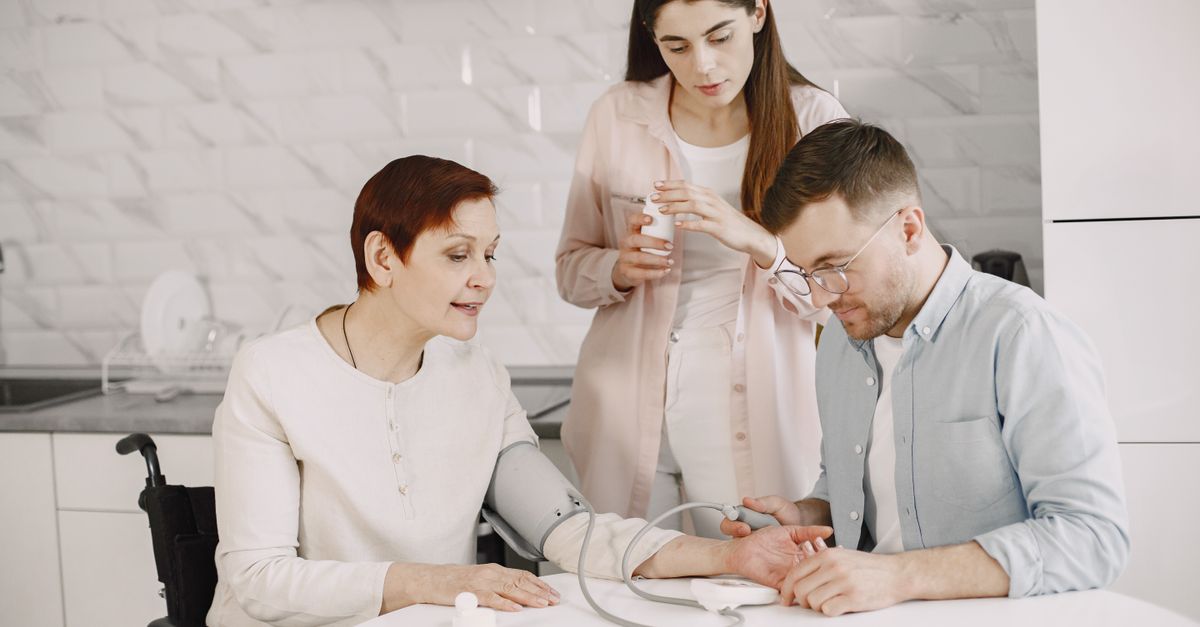
A simple record can reveal useful patterns. Note bedtime, movement, meals, water intake, mood, or symptoms for a short period, using paper, a phone, or a basic spreadsheet. Keep the system quick enough that recording it does not become a second job with worse benefits. Look for trends rather than judging individual days; one late night or missed walk is information, not a character verdict. Be cautious with consumer devices and wellness apps, which may estimate rather than directly measure health data. Protect privacy, review permissions, and avoid changing important treatment decisions based solely on an app’s cheerful notification.
Advertisement
Know When Home Strategies Are Not Enough
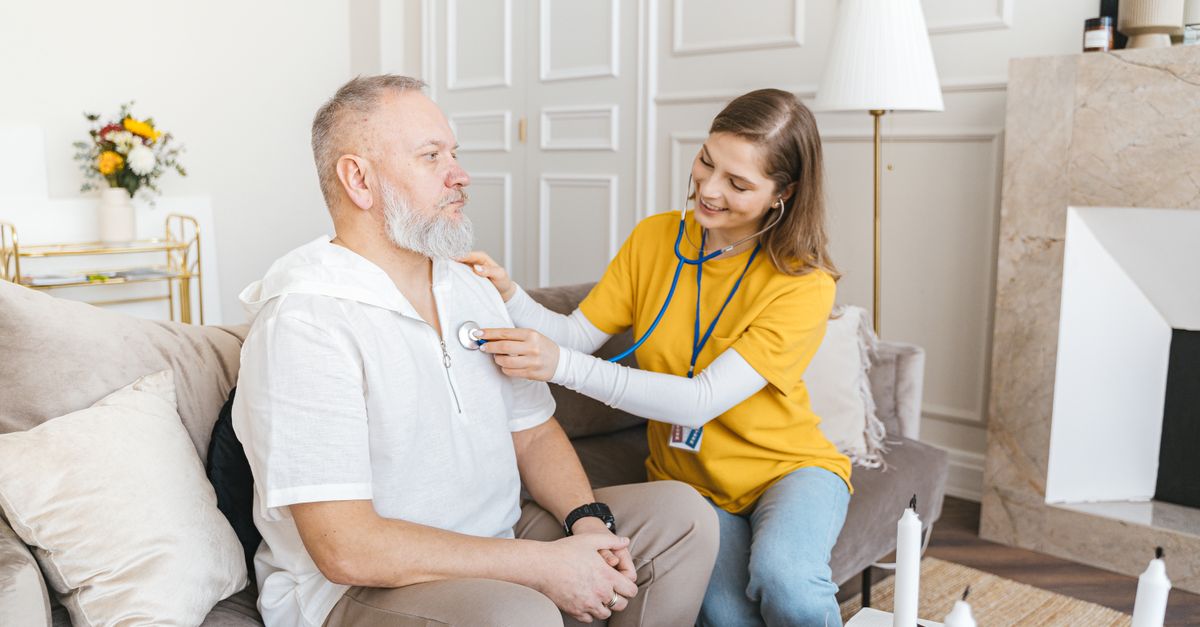
Responsible self-care includes recognizing boundaries. A minor, familiar issue may sometimes be monitored with rest, fluids, or routine adjustments, but new, severe, rapidly worsening, or unexplained symptoms should not be managed indefinitely at home. Seek urgent help for signs of a serious emergency, such as difficulty breathing, severe chest pressure, sudden weakness, major confusion, or heavy bleeding. People who are pregnant, very young, older, immunocompromised, or living with chronic conditions may need individualized guidance sooner. Reliable health information should help you make calmer decisions, not encourage you to ignore warning signs or postpone necessary care.
Advertisement
Make the Routine Sustainable
Evidence Based At Home Health Tips are most valuable when they become ordinary parts of life: a regular bedtime, nourishing meals, frequent movement, emotional check-ins, sensible hygiene, and careful attention to changing symptoms. Start with one or two manageable adjustments, connect them to existing routines, and review progress without demanding perfection. Reliable sources can guide general choices, while qualified professionals can address personal concerns, diagnoses, and treatment decisions. Health is not a pass-or-fail exam; it is an ongoing practice shaped by circumstances, access, and patience.
Advertisement