Practical Ways to Build Better At-Home Health Habits
A Healthier Home Starts with Small Habits
Good health at home is less about chasing perfection than building dependable habits. Myhomehealth At Home Health Tips offers a practical framework for organizing daily routines, supporting balanced choices, and noticing changes early. With modest adjustments to your space, schedule, meals, movement, sleep, and digital habits, wellbeing can become refreshingly ordinary.
Advertisement
Create a Routine That Actually Fits Your Life
Myhomehealth At Home Health Tips begins with a realistic daily rhythm rather than an elaborate timetable that collapses by Tuesday. Set consistent times for waking, meals, work, relaxation, and bedtime where possible. A simple written schedule can reduce decision fatigue and make healthy choices easier to repeat. Include small transition rituals, such as stretching after work or preparing tomorrow’s breakfast before winding down. These cues help the brain recognize when it is time to change gears. Flexibility matters, too. A routine should guide the day, not behave like a tiny supervisor with a clipboard. If an unexpected appointment disrupts it, return to the next useful habit instead of treating the entire day as a failure.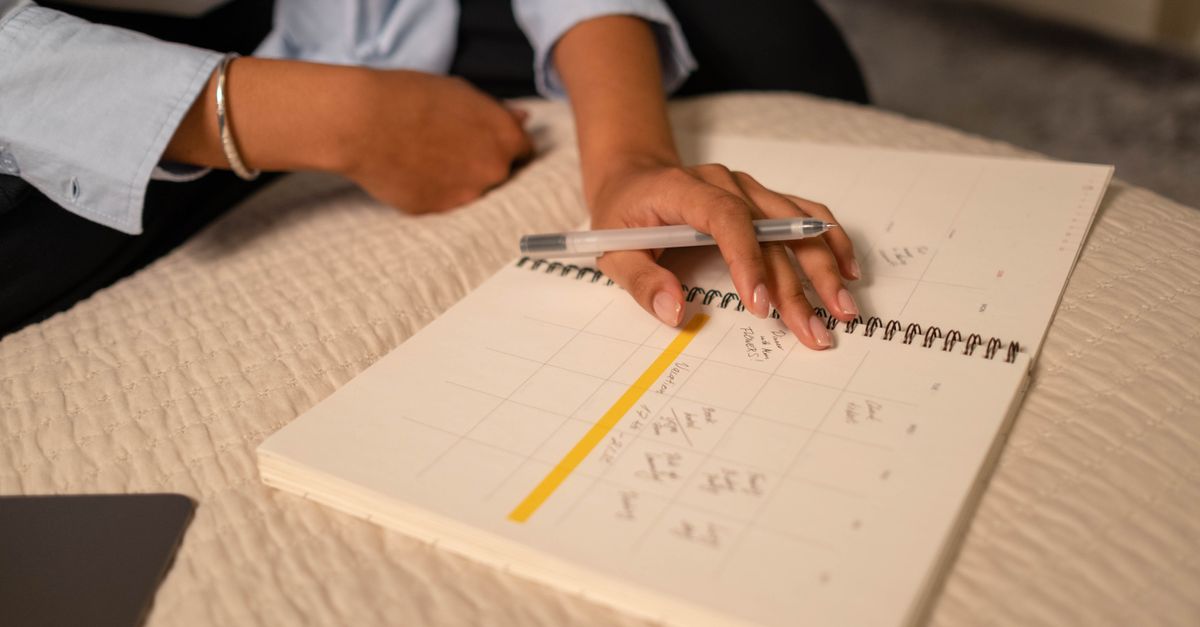
Advertisement
Make the Home Support Good Choices
Myhomehealth At Home Health Tips also emphasizes the influence of surroundings. Keep water visible, place fruit where it is easy to reach, and store less nutritious snacks out of immediate sight rather than turning them into forbidden treasure. Comfortable lighting can support calm evenings, while a tidy work area may make concentration less difficult. Ventilation, reasonable room temperature, and regular cleaning contribute to a more pleasant living environment. Safety deserves attention as well: keep walkways clear, secure loose rugs, store cleaning products appropriately, and ensure frequently used items are easy to access. These adjustments are not glamorous, but neither is tripping over a laundry basket at midnight.
Advertisement
Build Balanced Meals Without Complicated Rules
Myhomehealth At Home Health Tips treats food as fuel, enjoyment, and part of ordinary life—not a moral examination. Aim for variety across meals by including vegetables or fruit, a source of protein, whole-grain or other carbohydrate foods, and healthy fats when suitable for your preferences. Planning a few dependable meals can make busy days less dependent on last-minute choices. Keep convenient ingredients available, such as frozen vegetables, beans, eggs, yogurt, oats, or canned fish. Reading labels can help with comparing products, especially for sodium, added sugars, and serving sizes, but labels should inform rather than intimidate. Eating slowly and paying attention to hunger and fullness can also make meals more satisfying.
Advertisement
Add Movement in Manageable Pieces
Myhomehealth At Home Health Tips encourages regular movement without suggesting that every day requires a heroic workout montage. Short periods of activity count: walk during a phone call, take movement breaks between tasks, stretch while waiting for water to boil, or try gentle body-weight exercises if they are comfortable. Combining aerobic activity, strength-building, balance, and flexibility can support overall function, but the best plan is one that matches current ability and can be repeated. Increase effort gradually, especially after a long inactive period, and stop if movement causes unusual or significant discomfort. People with health conditions, injuries, or specific exercise concerns should seek guidance from a qualified professional before changing activity levels.
Advertisement
Protect Sleep by Designing a Wind-Down
Sleep often improves when the evening environment sends clear signals that the day is ending. Keep a reasonably consistent bedtime, dim bright lights before sleep, and make the bedroom quiet, comfortable, and suited to rest. A calming routine might include reading, gentle breathing, light stretching, or preparing clothes for the next morning. Caffeine late in the day, heavy meals close to bedtime, and stimulating screen use can interfere with relaxation for some people. If worries tend to become louder at night, write down tomorrow’s tasks before getting into bed. Persistent sleep problems, severe daytime tiredness, or breathing concerns during sleep deserve discussion with a healthcare professional rather than endless negotiations with the alarm clock.
Advertisement
Use Technology as a Tool, Not a Roommate
Digital habits shape home health more than many people notice. Frequent notifications can fragment attention, encourage prolonged sitting, and make it harder to settle at night. Consider silencing nonessential alerts, keeping devices away from the bed, and creating screen-free periods during meals or the final part of the evening. Technology can also support useful habits through reminders for water, movement breaks, medication schedules prescribed by a clinician, or appointments. The goal is not to reject screens entirely; it is to decide when they serve a purpose and when they quietly consume the room. A phone should be helpful equipment, not the most demanding member of the household.
Advertisement
Notice Changes and Keep Simple Records
Awareness is another valuable part of home wellbeing. Pay attention to patterns in energy, mood, appetite, sleep, movement, and any recurring symptoms. A brief journal or calendar note can reveal connections that are easy to miss during a busy week, such as headaches after poor sleep or low energy following irregular meals. Records may also make conversations with healthcare professionals more precise. Avoid turning tracking into an obsessive scorecard; a few useful observations are better than a spreadsheet that requires its own project manager. Seek professional attention for new, severe, worsening, or persistent symptoms, and use reliable health sources rather than assuming every dramatic online claim is true.
Advertisement
Make Healthy Habits Sustainable
Myhomehealth At Home Health Tips works best when habits are introduced one at a time and adjusted to real circumstances. Choose a small starting point, such as adding a daily walk, preparing two simple meals, or setting a consistent wind-down reminder. Connect the new behavior to something already established, and recognize progress without demanding flawless performance. Support from household members can help, particularly when everyone agrees on practical changes such as shared meal planning or quieter evenings. Seasonal changes, work demands, disability, caring responsibilities, and finances all affect what is realistic. A sustainable routine respects those realities and adapts without losing its central purpose.
Advertisement
Conclusion: Everyday Choices Add Up
Myhomehealth At Home Health Tips is ultimately about making supportive choices easier to repeat, from arranging the home and planning meals to protecting sleep and noticing meaningful changes. Small improvements can reinforce one another, creating a healthier rhythm without requiring perfection or expensive equipment. The most useful approach is flexible, realistic, and attentive to individual circumstances. When concerns persist or seem serious, professional healthcare guidance remains the appropriate next step.
Advertisement