Innovative Home Wellness Insights 2027
Introduction to Wellness at Home
By 2027, the concept of "home wellness" has evolved from a trend to a way of life. With technology now deeply interwoven into our personal spaces, the emphasis on creating a healthy home environment has never been stronger. As people increasingly prioritize their health, homes are designed not just as living spaces but as holistic wellness sanctuaries. Smart technologies, coupled with personalized health insights, play a pivotal role in transforming homes into health-centric environments. From mental health boosters to physical wellness enhancements, innovative solutions redefine home well-being. Let's explore the innovative insights on how homes will nurture wellness in 2027.
Advertisement
Smart Home Systems Integrating Wellness
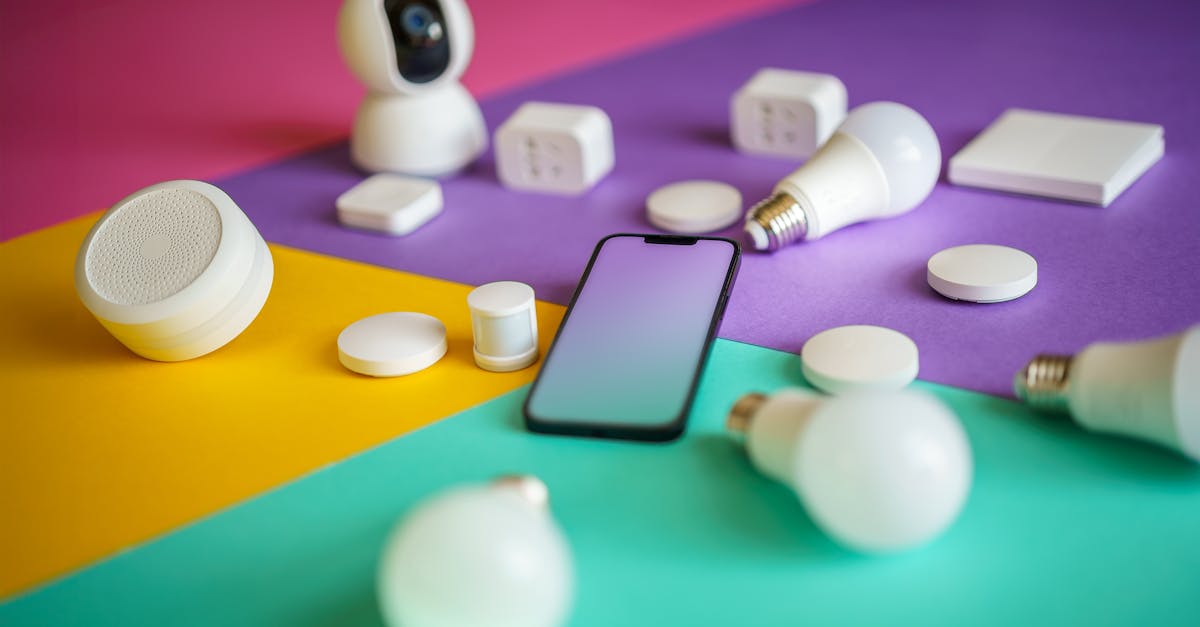
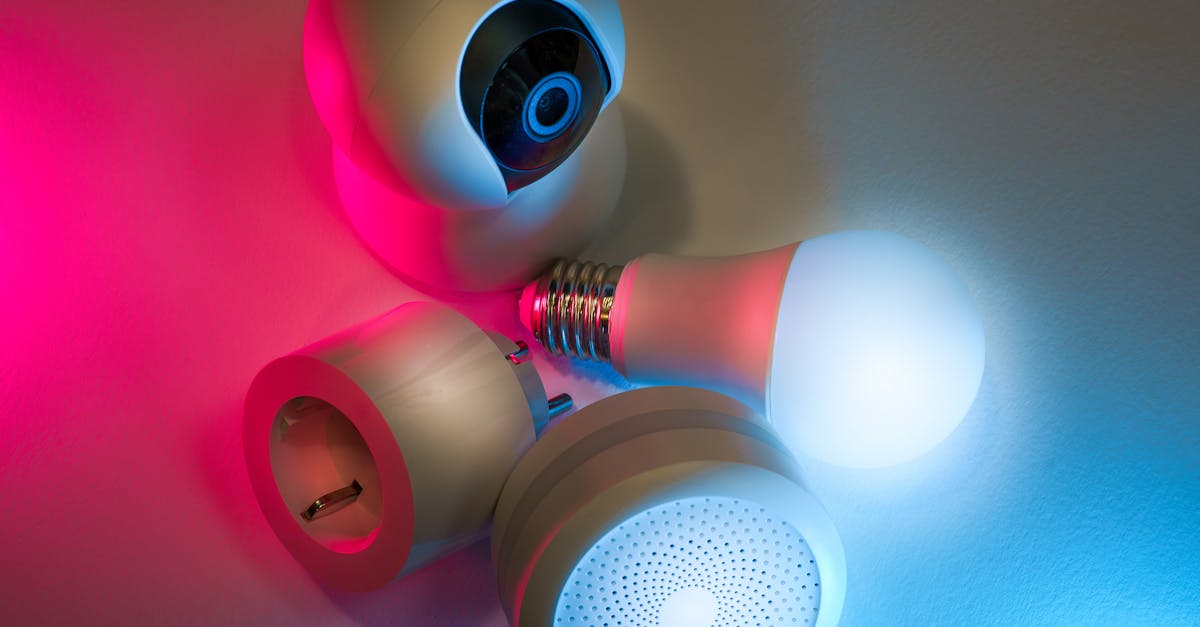
Smart home systems have revolutionized personal wellness by integrating technology into daily routines. In 2027, these systems do more than just control lighting or temperature—they are geared towards enhancing overall well-being. Modern smart homes are equipped with systems that monitor air quality, nutritional needs, and even mental health through AI-driven analytics. Such systems actively recognize stress indicators and suggest relaxation techniques. By learning and adapting to the routines of inhabitants, these homes ensure a personalized wellness experience. They provide constant support and insights, enabling individuals to make informed health choices effortlessly.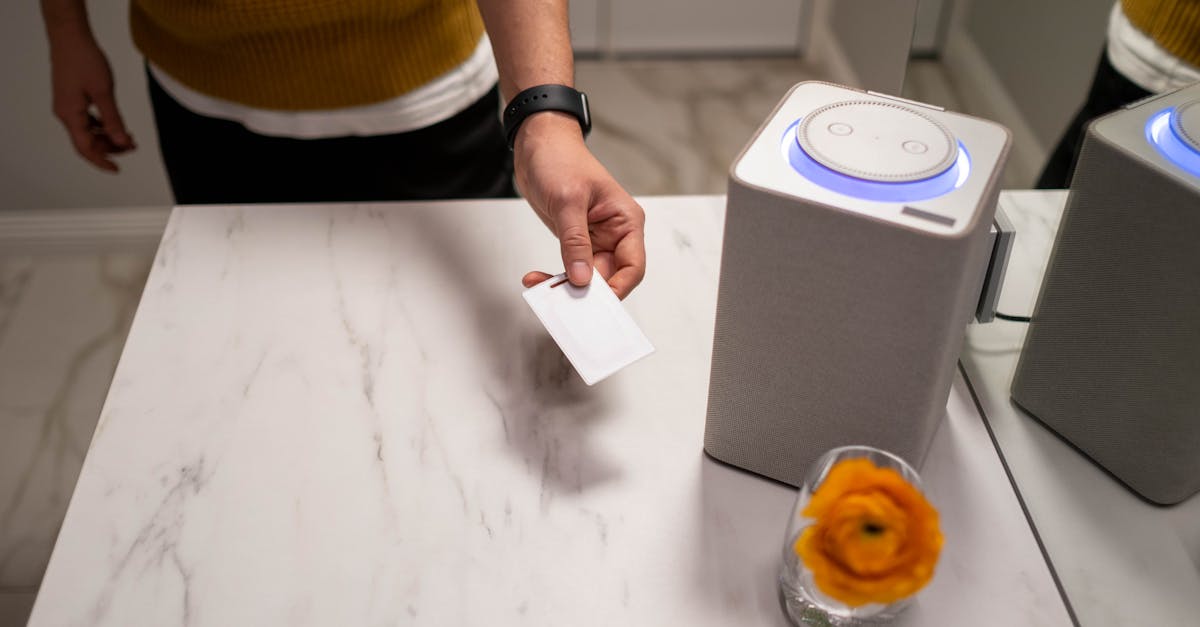
Advertisement
Biophilic Design as a Wellness Enhancer
Biophilic design has become a central element in home wellness, emphasizing the importance of nature in enhancing well-being. Homes in 2027 incorporate this approach by integrating natural elements such as green walls, indoor gardens, and natural light optimization. These features work to improve air quality, reduce stress levels, and sharpen concentration. By fostering a connection to nature, biophilic design contributes to mental peace and overall emotional health. Additionally, advanced materials mimicking natural patterns and textures play a role in this design approach. As people recognize the benefits, biophilic elements become staples in modern home architecture, serving as pivotal wellness enhancers.
Advertisement
The Role of Functional Nutrition in Homes
Nutrition is integral to personal wellness, and by 2027, homes are equipped with technology that supports functional nutrition. Smart kitchens use sensors and AI to analyze dietary habits and suggest meal plans tailored to individual health goals. Interactive shelving inventories understand dietary restrictions and preferences, recommending recipes accordingly. Additionally, nutrient-tracking devices provide instant feedback on individual nutritional intake. Home systems offer enriching nutritional insights, empowering individuals to make effective dietary choices. As awareness regarding the link between diet and health rises, smart circulations that support balanced nutrition become an essential aspect of home wellness.
Advertisement
Mental Health Support Systems
Mental well-being receives significant focus in the realm of home wellness by 2027. Technologies designed specifically for mental health, such as mood-adaptive environments, are standard features in homes. These systems monitor psychological cues and adjust surroundings to enhance mood and productivity. Whether through personalized lighting, soundscapes, or calming digital visuals, these adaptative environments create optimal conditions for mental relaxation. Smart systems also provide access to virtual therapy and mindfulness sessions, breaking down the barriers of traditional mental health support. Popular demand has catalyzed these developments, ensuring mental health is prioritized alongside physical health.
Advertisement
Personalized Fitness Spaces
The concept of home gyms has evolved to cater to personalized fitness, driven by innovative technology. By 2027, smart fitness spaces use holographic trainers and tailored workout programs based on user metrics and goals. These spaces seamlessly integrate with wearables and other devices, tracking real-time performance and offering dynamic fitness suggestions. Sensors embedded in floors and equipment provide feedback on form, preventing injuries and improving efficiency. The fusion of entertainment and fitness keeps workouts engaging, motivating individuals to maintain regular activity. Personalized fitness spaces cater to all fitness levels, ensuring diverse and inclusive wellness solutions.
Advertisement
Energy Management and Environmental Impact
Energy-efficient designs principally influence home wellness by minimizing environmental impact and promoting sustainability. Advanced energy management systems in homes reduce carbon footprints while improving comfort. Prefabricated materials and smart insulation technologies regulate indoor climates, optimizing energy consumption. These systems inform users about their energy usage patterns, offering avenues for conservation. Renewable energy solutions, such as solar panels, bring autonomy and sustainability into everyday living. The consciousness around environmental impact aligns with personal wellness narratives, ensuring that homes contribute positively to inhabitants and the planet.
Advertisement
Virtual Reality as a Wellness Tool
Virtual Reality (VR) evolves as a unique wellness tool within the home setting by 2027. It transports users to immersive environments for relaxation, fitness training, or mental health therapy. VR offers experiences ranging from virtual nature retreats to guided meditation sessions, enhancing emotional tranquillity through immersive interactions. In fitness, it has revolutionized home workouts by transforming routines into engaging virtual adventures. Beyond leisure, VR incorporates therapy modules for stress management and cognitive challenges, heightening mental resilience. As technology developers focus on wellness applications, VR continues to gain traction as a multi-faceted tool for personal well-being.
Advertisement
Harnessing Data-Guided Insights
Data plays a crucial role in home wellness, enabling smarter health decisions. In 2027, home devices collect and analyze user data, offering tailored health insights and recommendations. These insights guide users on nutrition, fitness, mental health, and environmental health decisions. Advanced AI systems interpret the data to predict potential health issues before they materialize, allowing for proactive measures. Privacy and security protocols ensure that wellness data remains confidential and safe. Armed with data-driven guidance, individuals enjoy enhanced wellness outcomes, highlighting the collaborative potential between technology and health.
Advertisement
Summary
By 2027, the reimagined concept of home wellness carves out new paradigms where technology and health converge. Homes transform into holistic wellness environments, marked by smart systems, sustainable designs, and biophilic elements. Personalized solutions, ranging from fitness to nutrition and mental health, ensure that every aspect of well-being is addressed within the home. As technology evolves, these homes not only nurture physical health but also support emotional and mental well-being. In sum, innovative home wellness insights elevate quality of life, proving that the future of wellness starts at home.
Advertisement