Practical Home Health Tips for a Well-Being Routine
Build a Routine That Actually Fits
Myhomehealth Home Health Tips begin with a simple principle: consistency beats intensity. Instead of redesigning your entire life on a Monday morning, choose a few manageable habits and attach them to routines you already follow. Drink water after brushing your teeth, stretch while the kettle boils, or take a brief walk after lunch. Small habits are easier to repeat because they do not demand a daily battle with motivation. A useful routine should also allow flexibility. Work shifts, family responsibilities, travel, and low-energy days can all interfere with the best-laid plans. Create a “minimum version” of each habit, such as five minutes of movement instead of thirty. Progress does not need to look dramatic to be useful.
Advertisement
Make the Home Support Healthy Choices
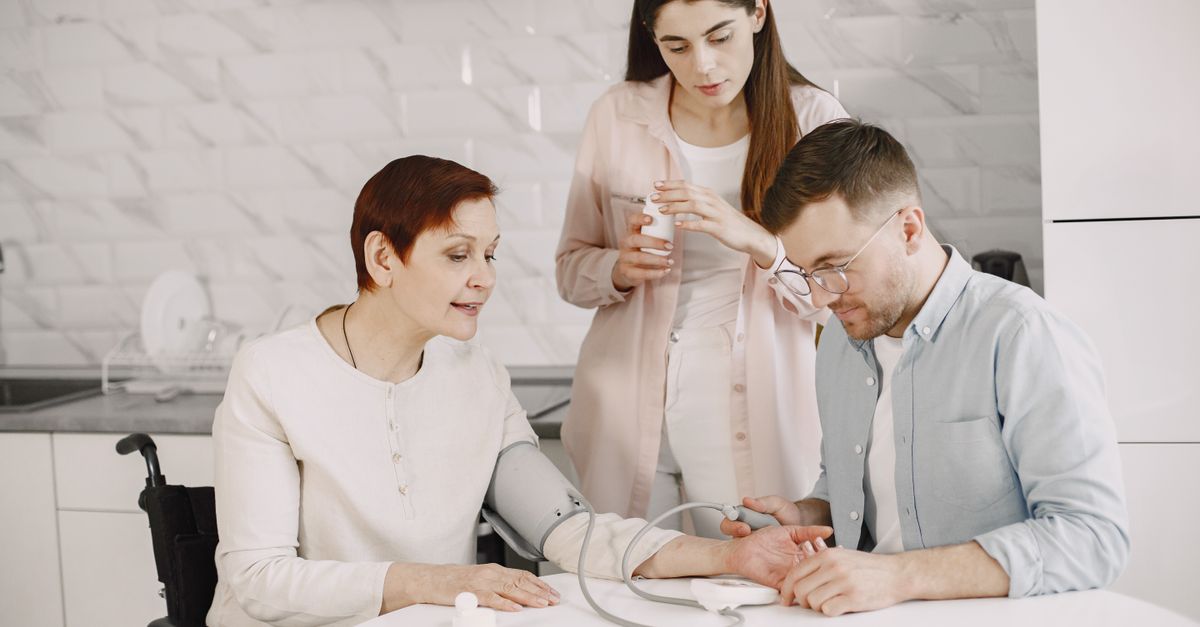
A healthy home is not supposed to resemble a laboratory, but its layout can gently influence behavior. Myhomehealth Home Health Tips recommend keeping frequently used healthy items visible and convenient. Place fruit where it can be seen, store water within easy reach, and keep walking shoes near the door. Meanwhile, make less helpful choices slightly less automatic by moving snacks away from workspaces or limiting clutter around the television. Clean, uncluttered paths also reduce unnecessary trips and help prevent avoidable falls, particularly for older adults or anyone with limited mobility. Check rugs, cords, steps, and lighting regularly. Home safety is often less glamorous than a new gadget, but it has the admirable quality of working.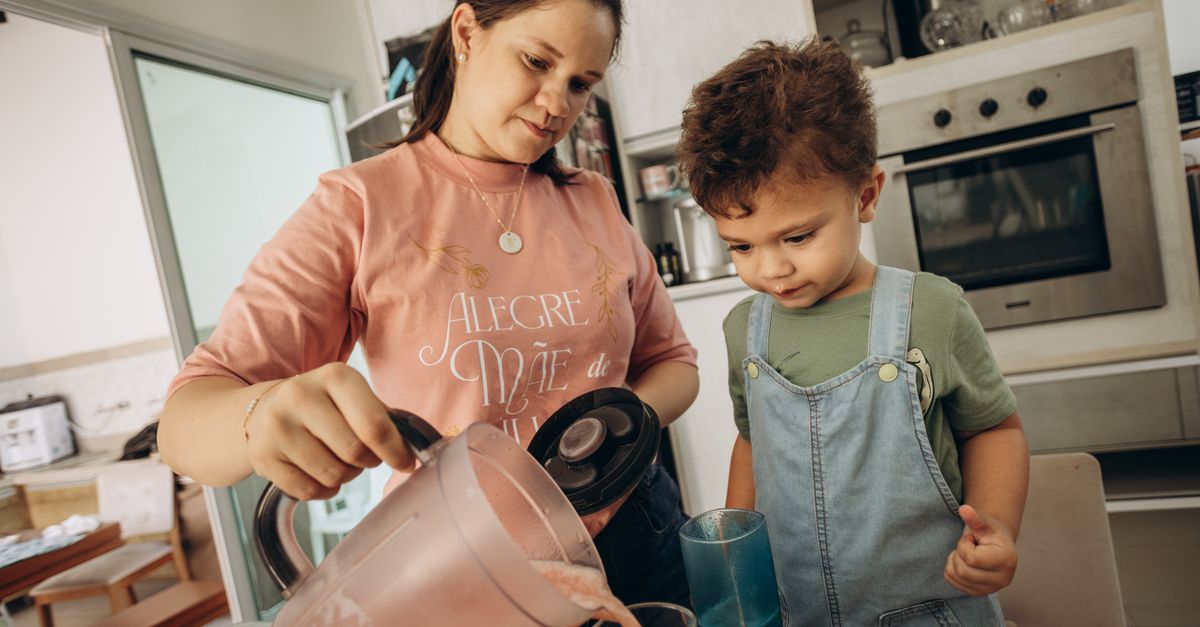
Advertisement
Treat Sleep as Essential Maintenance
Myhomehealth Home Health Tips place sleep alongside food, movement, and emotional balance rather than treating it as leftover time. A regular bedtime and wake-up time can help the body recognize when to wind down. Keep the bedroom cool, dark, and reasonably quiet, and reserve the bed for sleep whenever possible. Bright screens, stressful emails, and intense discussions immediately before bed can make relaxation harder, so create a short transition ritual instead. Reading a paper book, listening to calm audio, or taking slow breaths may signal that the day is closing. If sleep problems persist or significantly affect daily functioning, discuss them with a qualified health professional rather than relying on endless internet theories.
Advertisement
Keep Food Simple and Dependable
Myhomehealth Home Health Tips favor practical nourishment over complicated food rules. Aim for meals that combine vegetables or fruit, a source of protein, whole grains or other satisfying carbohydrates, and suitable fats. The exact arrangement can vary according to culture, budget, preferences, and individual needs. Planning two or three reliable meals each week reduces the temptation to survive on whatever can be eaten one-handed over a keyboard. Keep convenient options available, such as yogurt, nuts, beans, frozen vegetables, eggs, or whole-grain foods. Eating slowly enough to notice fullness can also improve awareness. No single meal determines overall well-being, just as one rainy day does not cancel an entire summer.
Advertisement
Move Often, Not Perfectly
Myhomehealth Home Health Tips treat movement as a regular feature of the day, not a punishment for eating dessert. Walking, gardening, dancing, household chores, mobility exercises, and recreational activities all count as ways to reduce long periods of sitting. Break up desk time with brief standing or stretching intervals, and choose activities that feel enjoyable enough to repeat. If you are beginning after a long inactive period, increase effort gradually and pay attention to how your body responds. Supportive footwear, clear floors, and sensible pacing can make movement more comfortable. Anyone with a known health condition, persistent pain, or unusual symptoms should seek individualized guidance from an appropriate professional before changing activity levels significantly.
Advertisement
Protect Emotional and Social Well-Being
Physical routines are only part of home health; the mind also needs regular care. Make room for quiet time, creative activities, sunlight, hobbies, or conversations with people who leave you feeling respected rather than drained. A brief daily check-in can help identify stress before it becomes the household’s uninvited permanent resident. Try naming what you feel, what you need, and what small step is possible today. Boundaries matter too. Turning off work notifications, declining unnecessary commitments, and creating calm spaces are legitimate forms of maintenance, not signs of laziness. If sadness, anxiety, hopelessness, or overwhelming stress persists, contact a qualified mental health professional or an appropriate support service.
Advertisement
Use Technology Without Letting It Run the House
Digital tools can support healthy routines when they remain servants rather than becoming tiny supervisors with opinions. Calendar reminders can prompt water breaks, medication schedules prescribed by a clinician, movement intervals, or regular appointments. A shared household list can make groceries and chores more manageable. However, more tracking is not automatically better. Choose tools that simplify life, protect privacy, and provide information you can understand. Avoid treating wearable scores or online symptom searches as diagnoses. Technology should help you notice patterns and organize tasks, not create anxiety over every fluctuating number. A notebook and a kitchen timer remain perfectly respectable equipment, despite their lack of Bluetooth.
Advertisement
Know When Home Care Needs Backup
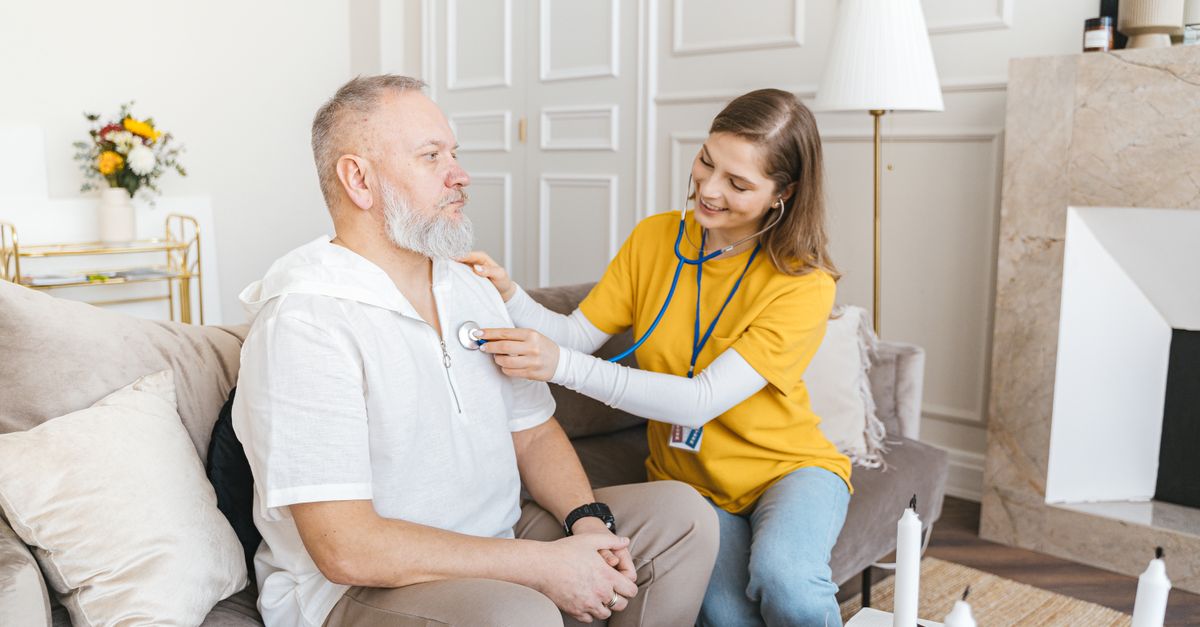
Myhomehealth Home Health Tips also include recognizing the limits of self-management. A tidy routine can support general well-being, but it cannot replace professional assessment when something is persistent, worsening, or interfering with ordinary activities. Keep a list of important contacts, current prescriptions, allergies, and questions for appointments in an accessible place. Families can agree on who should be contacted during an emergency and where essential documents are stored. Pay attention to sudden or severe changes, and seek urgent help when appropriate. Asking for assistance early is not a failure of independence; it is often a sensible way to preserve it. Even the most organized home benefits from a little outside expertise.
Advertisement
Conclusion: Make Healthy Living Sustainable
Myhomehealth Home Health Tips are most effective when they become ordinary, repeatable parts of daily life rather than a demanding personal project. Safer surroundings, dependable meals, regular movement, quality sleep, emotional support, and timely professional help work together to create a stronger foundation. The best routine is the one that respects real life and can keep going.
Advertisement